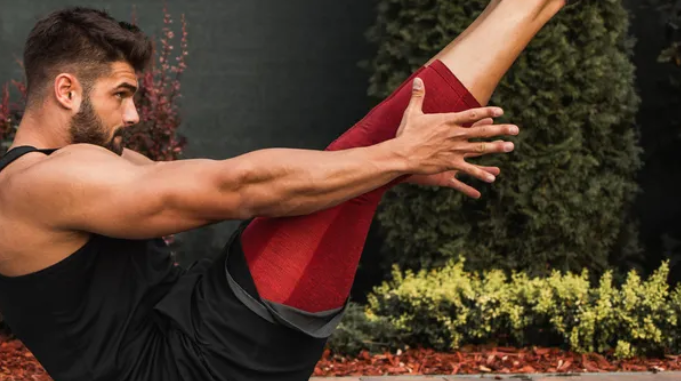
Transform Your Body with Pilates Classes Today Begin your journey to health and fitness with Pilates. This method, based on Joseph Pilates’ ideas, helps you reshape your body and boost your energy. It’s perfect for both beginners looking for Pilates and experienced individuals seeking a challenging Pilates workout. Pilates is more than just a workout. It’s a way to find balance, improve your posture, and feel refreshed. It leads to a stronger, more vibrant you. Key Takeaways Starting pilates classes today can begin your path to a healthier, slimmer body. Pilates welcomes everyone, making it great for all levels, including pilates for beginners. Regular pilates workout boosts core strength, flexibility, and body shape. With regular practice, pilates can reshape your body, making muscles stronger and posture better. Pilates focuses on connecting body and mind, improving both physical and mental health. Discover the Fundamentals of Pilates Pilates is a fitness program that focuses on core strength, flexibility, and body awareness. It’s designed for everyone, no matter your fitness level. It requires precision and control, making it perfect for all. What is Pilates? Pilates is a unique exercise that works on the body’s core. It combines posture, muscle tone, and mental well-being. It’s not just about physical fitness but also mental strength through deep breathing. Core Principles of Pilates Concentration Control Centering Flow Precision Breathing Pilates for Whole-Body Health Pilates exercises are designed to boost flexibility and core strength. Each move is done with full focus. It aims to make your body balanced and aligned. Whether you want to get more flexible, recover from an injury, or build strength, Pilates is great. It offers a solid base for physical health. Benefit Description Core Strength Strengthens the deep abdominal muscles and supports the overall stability of the torso. Flexibility Improves the elasticity of the muscles and increases the range of motion in the joints. Mental Well-being Enhances mental focus and relaxation through mindful movements and breathing techniques. Exploring the Variety of Pilates Classes When you enter a pilates studio, you find many types of classes. Each one uses both basic and new Pilates methods. This means there’s something for everyone, from gentle classes to dynamic ones with the latest gear. Today, pilates classes vary a lot. You can choose from mat-based classes, which use your body weight, or equipment-based ones. For example, reformer classes add extra resistance to make your workout better. Experienced instructors help make each class fit your needs. Mat Classes – focus on flexibility, posture, and muscular strength. Reformer Classes – utilize specialized equipment to increase resistance and precision. Circuit Pilates – combines different apparatuses and exercises for a comprehensive workout. Group Sessions – encourage a motivating environment with shared energy and goals. Private Lessons – offer a one-on-one approach for personalized exercise adjustments and focus. Every pilates studio has its own set of classes. This lets you pick workouts that match your fitness level and how hard you want to work. Whether you’re looking for a challenge or a way to recover, there’s something for you. This variety helps you reach your fitness goals and feel good about it. Uncovering the Magic of Pilates Exercises Pilates is a world of strength, flexibility, and mindfulness. It uses classic and advanced techniques with special equipment. Each move focuses on control, breath, and precision, offering great benefits. Classic Pilates Moves The basics of Pilates include timeless exercises. They welcome beginners and challenge experts. Moves like The Hundred, Roll-Up, and Teaser build a strong core and improve body alignment. Advanced Pilates Techniques As you get better, you try advanced Pilates with special equipment. The reformer, Cadillac, and wunda chair make workouts more intense. They also improve the range of motion and coordination. The Pilates Reformer: It adds resistance with springs and a sliding carriage. This makes each move more challenging and effective. The Cadillac: It’s great for both rehab and improving advanced skills. This equipment supports various exercises, enhancing flexibility and strength. The Wunda Chair: It’s small but powerful. It focuses on leg, arm, and core strength, making it a versatile tool in Pilates. Using these advanced pieces of equipment, you can see better muscle tone, posture, and body awareness. These are key benefits that turn exercise into a journey to better health.…