Body Balance Exercises for a Stronger and Healthier Life
Have you ever stumbled while walking on an uneven surface or felt wobbly when standing on one leg? These everyday moments highlight just how crucial body balance is to our daily lives. Whether you’re an athlete looking to enhance performance or someone simply wanting to move through life with more confidence and stability, improving your body balance can transform your overall wellness.
What Is Body Balance and Why Does It Matter?
Body balance refers to your ability to maintain your center of gravity over your base of support. It’s the invisible force that keeps you upright when you’re standing still, helps you navigate stairs without thinking twice, and allows you to catch yourself before a fall. But balance is more than just staying upright—it’s a complex interplay between your muscles, joints, vision, and inner ear that works together seamlessly.
As we age, our body balance naturally begins to decline. Studies show that after age 40, balance deteriorates by approximately 6% per decade. This decline can lead to an increased risk of falls, which are one of the leading causes of injury among older adults. However, the good news is that body balance is something you can actively improve and maintain through targeted exercises and consistent practice.
The Hidden Benefits of Good Body Balance
When most people think about fitness, they focus on strength, cardio, or flexibility. But body balance deserves equal attention because it impacts nearly every aspect of physical health and daily functioning.
Fall Prevention and Safety
The most obvious benefit of good body balance is fall prevention. Falls can result in serious injuries, especially as we get older. By strengthening your body balance, you create a built-in safety mechanism that helps you recover quickly when you lose your footing. Your body learns to make rapid adjustments, engaging the right muscles at the right time to keep you stable.
Enhanced Athletic Performance
Athletes across all sports benefit tremendously from improved body balance. Whether you’re running, playing tennis, doing yoga, or lifting weights, better balance means better control over your movements. It allows for more efficient energy transfer, improved coordination, and greater power generation. Many professional athletes incorporate balance training into their routines specifically for these performance advantages.
Core Strength and Posture
Working on your body balance naturally engages your core muscles—those deep stabilizers that wrap around your midsection. As you practice balance exercises, you’re simultaneously building core strength, which translates to better posture, reduced back pain, and improved overall body mechanics. Think of it as a two-for-one workout benefit.
Joint Stability and Injury Prevention
Balance exercises strengthen the small stabilizer muscles around your joints, particularly in the ankles, knees, and hips. These muscles often get neglected in traditional workouts, but they’re crucial for joint health and injury prevention. Stronger stabilizers mean more resilient joints that can handle the demands of daily life and physical activity.
Essential Body Balance Exercises to Get Started
Now that you understand why body balance matters, let’s explore practical exercises you can incorporate into your routine. These exercises range from beginner to advanced, so you can progress at your own pace.
Single-Leg Stance
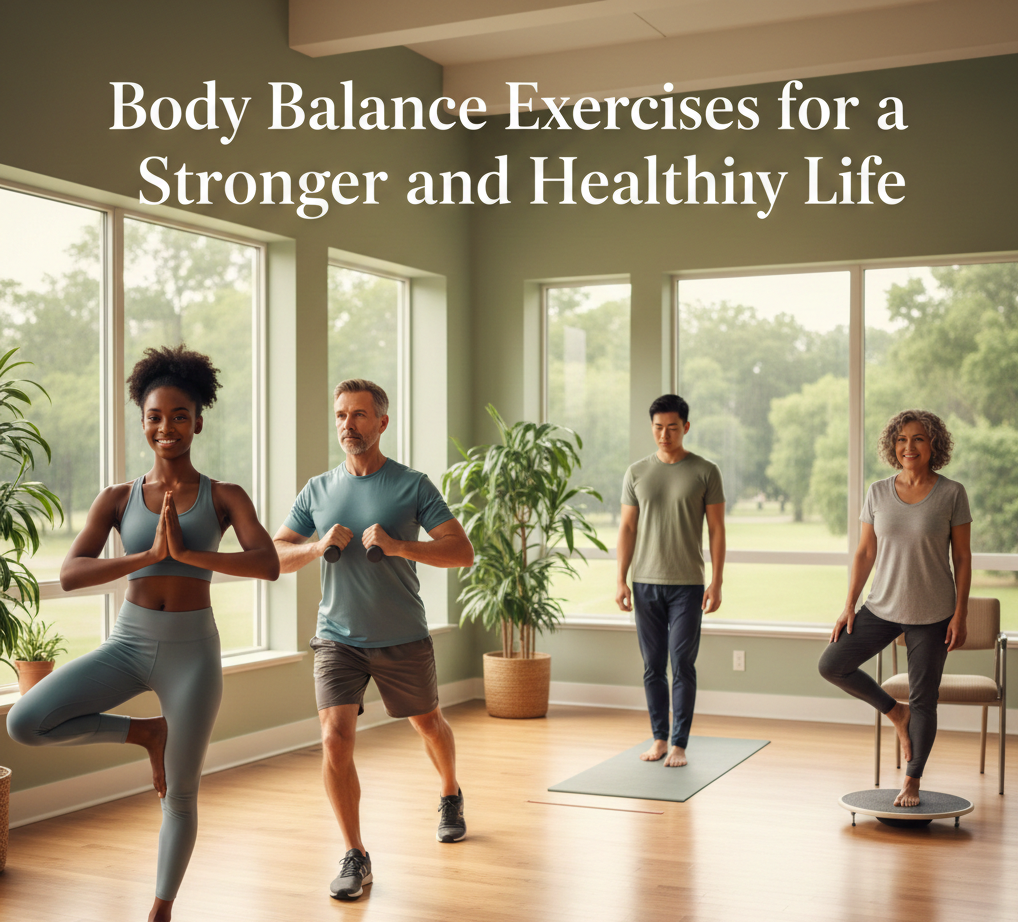
This is the foundation of body balance training and one of the simplest yet most effective exercises. Stand near a wall or sturdy chair for support if needed. Lift one foot off the ground and hold the position for 30 seconds. Keep your standing leg slightly bent, engage your core, and focus on a fixed point ahead of you. As you improve, try closing your eyes or standing on an unstable surface like a foam pad.
The beauty of the single-leg stance is its versatility. You can practice it anywhere—while brushing your teeth, waiting for coffee to brew, or during TV commercials. This makes it easy to accumulate practice time throughout your day.
Heel-to-Toe Walk
Also known as tandem walking, this exercise challenges your body balance by narrowing your base of support. Position one foot directly in front of the other so that the heel of your front foot touches the toes of your back foot. Walk forward in a straight line for 20 steps, then turn around and walk back. Keep your arms out to the sides for balance, and focus on maintaining a steady, controlled pace.
This exercise mimics the sobriety test police officers use, and for good reason—it’s an excellent assessment of balance and coordination. As you get better, try doing it with your eyes closed or on a soft surface.
Tree Pose
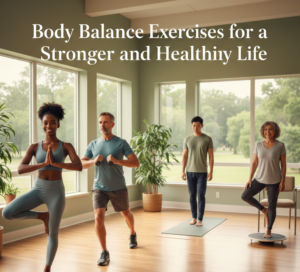
Borrowed from yoga, tree pose is a powerful body balance exercise that also promotes mindfulness and body awareness. Stand on one leg and place the sole of your other foot against your inner thigh or calf (avoid the knee). Bring your palms together at your chest or extend your arms overhead. Hold for 30-60 seconds, then switch sides.
Tree pose teaches you to find stillness within movement. You’ll notice small corrections your body makes constantly to maintain balance, which helps develop the neuromuscular connections essential for overall stability.
Single-Leg Deadlift
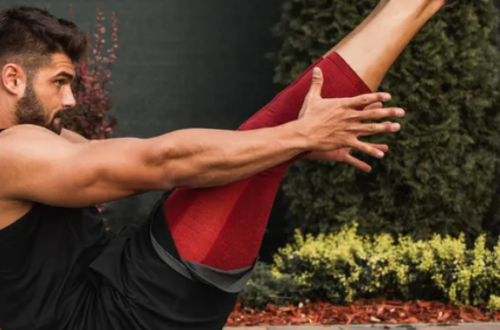
This exercise combines body balance with functional strength training. Stand on one leg and hinge forward at the hips, extending your free leg behind you for counterbalance. Reach your hands toward the ground while keeping your back straight. Return to the starting position and repeat 10-12 times per leg.
The single-leg deadlift strengthens your glutes, hamstrings, and core while dramatically challenging your balance. It also mimics everyday movements like picking something up off the floor, making it highly functional.
Bosu Ball Exercises
A Bosu ball—that half-dome stability ball you see at the gym—is an excellent tool for advancing your body balance training. You can perform squats, lunges, push-ups, or simply stand on it to challenge your stability. The unstable surface forces your stabilizer muscles to work overtime, accelerating your balance improvements.
Start with basic standing on the Bosu ball, holding the position for 30-60 seconds. As you progress, add movements like single-leg stands, squats, or even catch exercises with a medicine ball.
Advanced Balance Training Techniques
Once you’ve mastered the basics, you can take your body balance to the next level with more challenging variations and techniques.
Dynamic Balance Exercises
While static balance (holding a position) is important, dynamic balance (maintaining stability while moving) is equally crucial for real-world activities. Incorporate exercises like walking lunges, lateral bounds, or agility ladder drills. These movements require you to control your body balance while in motion, which translates better to sports and daily activities.
Proprioceptive Training
Proprioception is your body’s ability to sense its position in space. Enhancing this “sixth sense” dramatically improves body balance. Close your eyes during balance exercises, use unstable surfaces, or try balancing on different textures. These variations remove or alter sensory feedback, forcing your proprioceptive system to work harder.
Balance Board Challenges
Balance boards, wobble boards, or Indo boards create an unstable platform that constantly shifts beneath you. These tools take body balance training to an advanced level by requiring constant micro-adjustments. Start simple by just standing on the board, then progress to squats, catches, or even jumping on and off.
Creating Your Body Balance Routine
Consistency is key when it comes to improving your body balance. Here’s how to structure an effective routine:
**Frequency**: Aim for balance training 3-4 times per week. The good news is that sessions can be short—even 10-15 minutes of focused practice makes a difference.
**Progression**: Start with exercises you can complete successfully and gradually increase difficulty. Add unstable surfaces, close your eyes, or increase hold times as you improve.
**Integration**: Incorporate balance work into your existing workouts. Many exercises can be modified to challenge balance—try single-leg variations of traditional movements.
**Variety**: Mix up your exercises to keep things interesting and challenge your body in different ways. Variety also ensures you’re developing well-rounded body balance rather than becoming good at just one movement pattern.
Common Mistakes to Avoid
Even with the best intentions, people often make mistakes that limit their progress or increase injury risk:
**Rushing Through Exercises**: Body balance training requires focus and control. Slow down and concentrate on quality over quantity.
**Ignoring Proper Form**: Maintaining good posture and alignment is crucial. Compensating with poor form might help you hold a position longer, but it won’t build the balance you need.
**Not Challenging Yourself**: If exercises feel too easy, it’s time to progress. Your body adapts quickly to balance challenges, so keep pushing yourself appropriately.
**Forgetting to Breathe**: Many people hold their breath during balance exercises, which increases tension and makes balancing harder. Maintain steady, relaxed breathing throughout.
The Mind-Body Connection in Balance Training
One often overlooked aspect of body balance is the mental component. Balance requires concentration, body awareness, and the ability to make rapid adjustments. This makes balance training a form of moving meditation that benefits both body and mind.
When you practice balance exercises, you’re training your brain to process sensory information more efficiently and respond with appropriate muscular actions. This neurological training has benefits that extend beyond physical balance—it can improve focus, spatial awareness, and even cognitive function as you age.
Conclusion: Making Balance a Lifelong Priority
Improving your body balance isn’t just about preventing falls or enhancing athletic performance—it’s an investment in your long-term health and quality of life. Good balance allows you to move confidently through the world, maintain independence as you age, and enjoy physical activities without fear or limitation.
The exercises and strategies outlined here provide a comprehensive approach to developing better body balance. Remember that progress takes time, and everyone starts at a different level. Be patient with yourself, celebrate small improvements, and make balance training a regular part of your wellness routine.
Whether you’re 25 or 75, it’s never too early or too late to work on your body balance. Start today with just a few minutes of practice, and you’ll be amazed at how quickly you notice improvements in your stability, confidence, and overall physical function. Your future self will thank you for prioritizing this often-overlooked aspect of fitness.
Ready to get started? Pick one or two exercises from this guide and commit to practicing them regularly this week. Your journey to better body balance begins with a single step—or in this case, a single-leg stance!